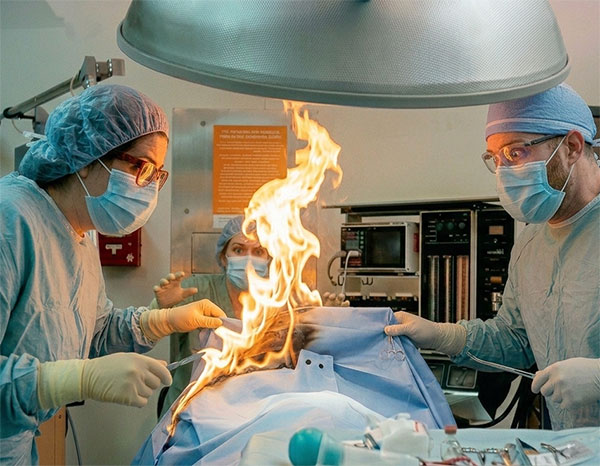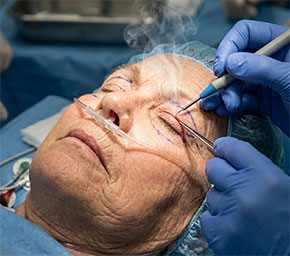
Surgical fires continue to be a major concern, especially when dealing with supplemental oxygen during facial procedures. According to the study "Operating Room Fires in Oculoplastics Surgery, Maamari, et. al., American Society of Opthalmic Plastic and Reconstructive Surgery, 2017", effects of surgical fires are greater than many think.
The Sovant is an intelligent supplemental oxygen delivery device. It detects patient breaths and delivers oxygen only when the patient inhales, temporarily discontinuing oxygen flow when the patient exhales. It also automatically boosts oxygen delivery to ensure patients receive sufficent oxygen - even during unstable breathing.
Reduce Risk of Surgical Fire
You are likely familiar with the Surgical Fire Triangle. Three main components or conditions are required for a fire to start in the operating room: a fuel source, an ignition source, and an oxidizer.
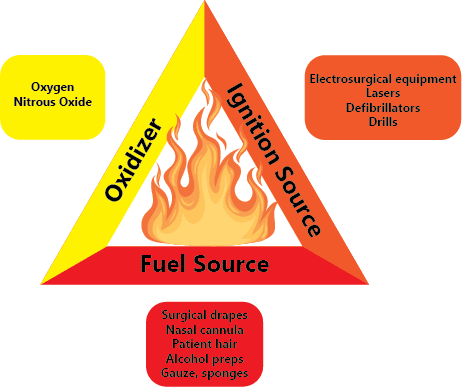
In facial plastics, it is common for all three elements to come together, making these high-fire-risk procedures. Using traditional methods, it may seem that there is little to be done to reduce that risk. Flammable prep solutions, drapes, and even the patient are potential fuel sources. Electrocautery, an ignition source, can be necessary in these cases. Sedated patients often need supplemental oxygen, and traditional “always-on” oxygen increases the buildup of oxygen around a patient’s face. This contributes significantly to the oxidizer element of the Surgical Fire Triangle.
Watch how quickly a drape ignites and burns when using "always-on" oxygen through a nasal cannula at 2 liters / minute:
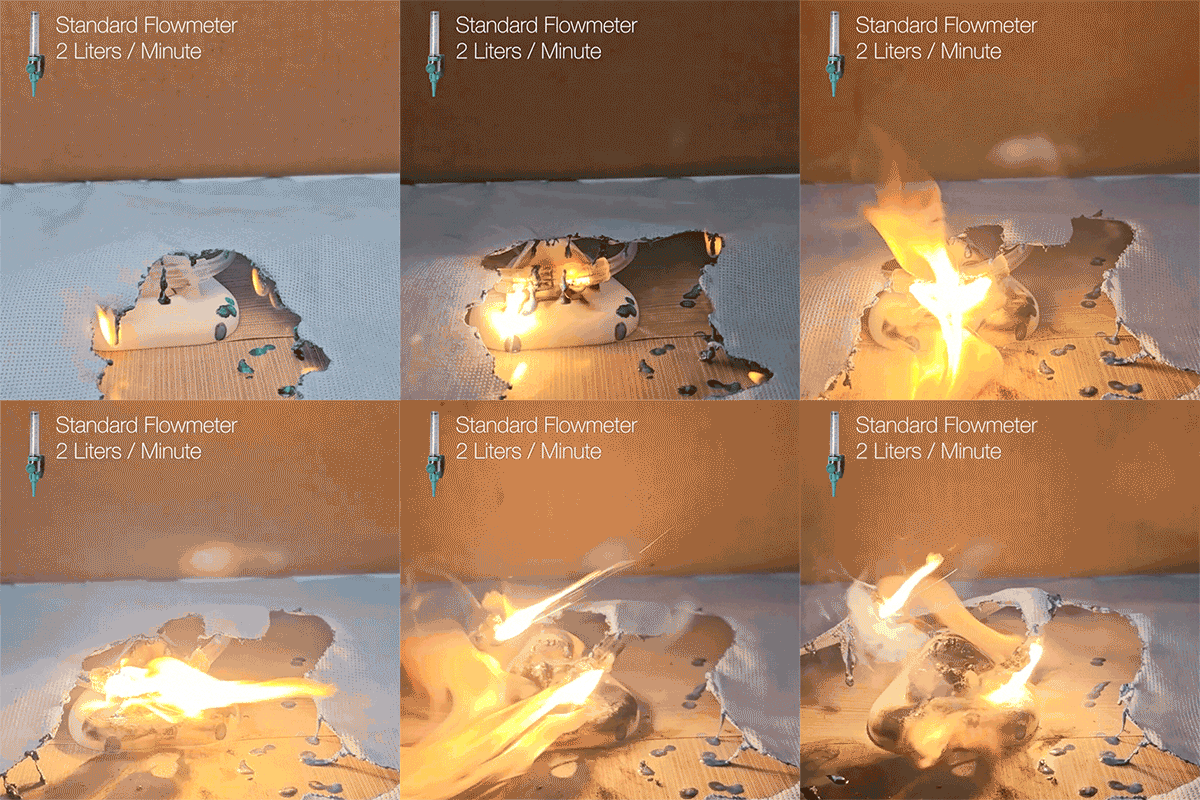
To mitigate this, O2 flows may be dropped to a minimum. However, clinicians may worry about desaturation at these low flows. How can clinicians be confident in their patients' oxygenation while mitigating the risk of an OR fire? The answer is the Sovant.
Because the Sovant only delivers oxygen when the patient inhales, unused oxygen does not accumulate around the face. This significantly reduces the oxidizer element of the Surgical Fire Triangle. The Sovant also provides a Fire Risk Mode that can be activated to prevent accidental use of higher oxygen flow during high-fire-risk procedures. Because of this, facial plastic surgery is much safer with the Sovant.
Watch a side-by-side comparison here:
Preventing even one surgical fire could save your hospital thousands of dollars. More importantly, it could save a life. The Sovant will help in your surgeons' fire safety efforts.
Increase Confidence in Patient Oxygenation
Often during a high-fire-risk procedure, O2 flows are reduced to 1 L/min or a blended oxygen source is used. While this helps reduce the risk of fire, it may not provide the oxygen a patient needs. The Sovant allows you to more safely and securely provide supplemental oxygen to your patient while reducing the risk of OR fire. Best of all, the Sovant provides better patient oxygenation even when there is a fire risk.
The Sovant improves patient oxygenation and monitoring by providing immediate feedback with both auditory and visual prompts on early ventilatory changes long
before desaturation. EtCO2 readings with a nasal cannula are also much more meaningful with the Sovant. And the Sovant only delivers oxygen during inhalation, ensuring more oxygen reaches the lungs instead of accumulating under the drapes. The result is a higher level of confidence in your oxygenation efforts for these patients.
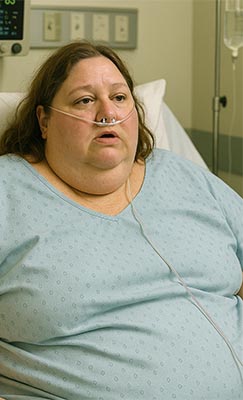
Identify Oxygenation Issues Before Desaturation
SpO2 is a late indicator for oxygenation problems. Respiratory rate only tells you patient breath frequency. While these are important vital signs to indicate how your patient is tolerating surgery, they give you limited time to respond to an issue with oxygenation. The Sovant aids in identifying respiratory issues by providing real-time information about how your patient is breathing with the new Respiratory Waveform.
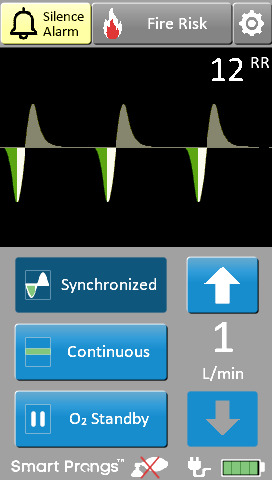
It automatically detects and alarms on low oxygen supply, cannula disconnection, cannula displacement, and patient apnea. This provides additional information about your patient’s breathing - long before desaturation occurs.